
When to Install New Gutters vs. Replace Existing Ones on Your Home
When considering whether to install new gutters or replace existing ones on your home, local contractors can assess your needs and provide expert installation services.
Homeowners in the area often find themselves evaluating whether to install new gutters or replace existing ones, especially when facing ongoing issues or planning upgrades. Understanding the differences between these options can help property owners make informed decisions that protect their homes and improve drainage performance. Whether dealing with visible damage, persistent leaks, or outdated systems, exploring when to install new gutters versus replacing existing ones is a practical step toward maintaining a home's value and functionality. Local contractors specializing in gutter services can assess the condition of existing systems and recommend the most appropriate solution, ensuring that any installation or replacement meets the specific needs of the property.
Deciding between installing new gutters and replacing current ones often depends on factors like age, condition, and overall effectiveness. For example, gutters that are severely corroded, sagging, or have extensive damage may be better suited for replacement, while minor issues might be resolved through repairs or upgrades. Property owners in the area who are considering these options can benefit from professional evaluations to determine the most cost-effective and durable solution. Local service providers experienced in gutter installation can handle the job efficiently, helping homeowners achieve optimal drainage and protection without unnecessary work or expense. Keep reading to learn more about how to determine the right approach for your home.
- When to install new gutters - homeowners may need new gutters when existing ones are outdated, damaged beyond repair, or no longer effectively directing water away from the home, and local contractors can assess and install suitable replacements.
- Replacing existing gutters - is often recommended if gutters are leaking, sagging, or have significant corrosion, with local service providers capable of removing old systems and installing durable, properly fitted gutters.
- Signs of deterioration - such as cracks, holes, or detached sections, indicate a need for new gutters, and experienced pros can evaluate whether repair or replacement is the best option.
- Gutter system upgrades - may be necessary during home renovations or if current gutters are incompatible with new roofing or siding, with local contractors providing seamless installation services.
- Assessing gutter lifespan - when gutters reach the end of their typical lifespan or show persistent issues, local pros can help determine whether to replace the existing system or install new gutters for improved performance.
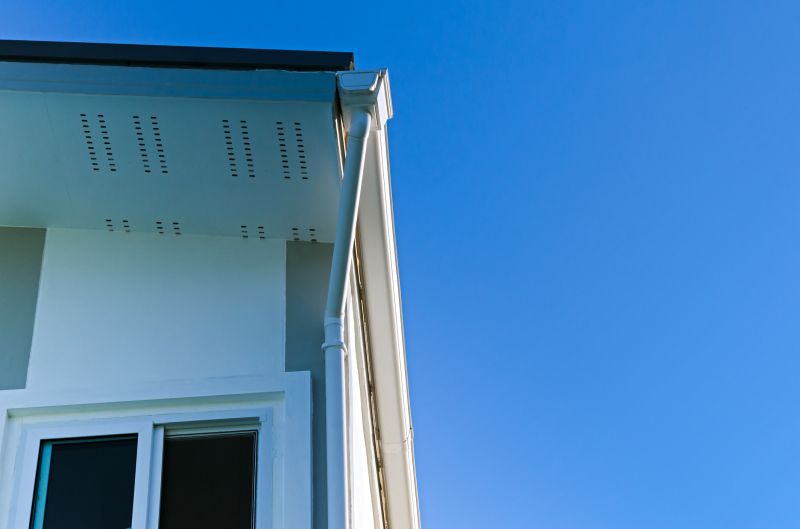
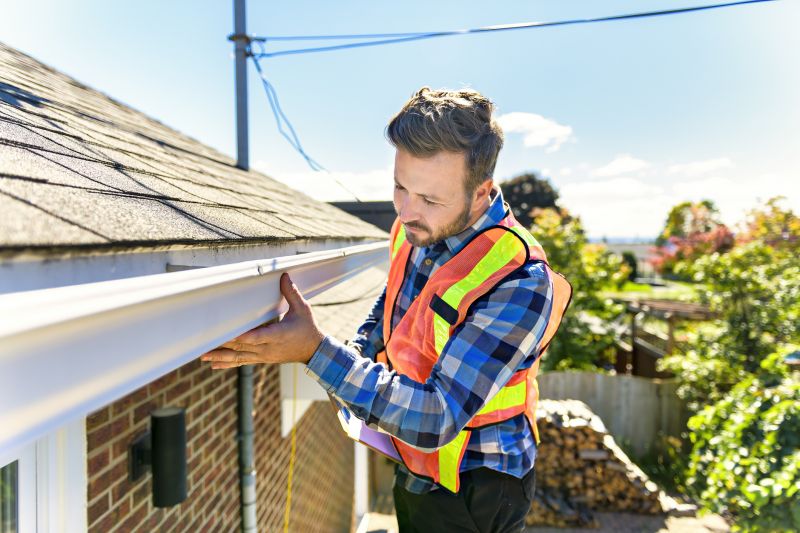
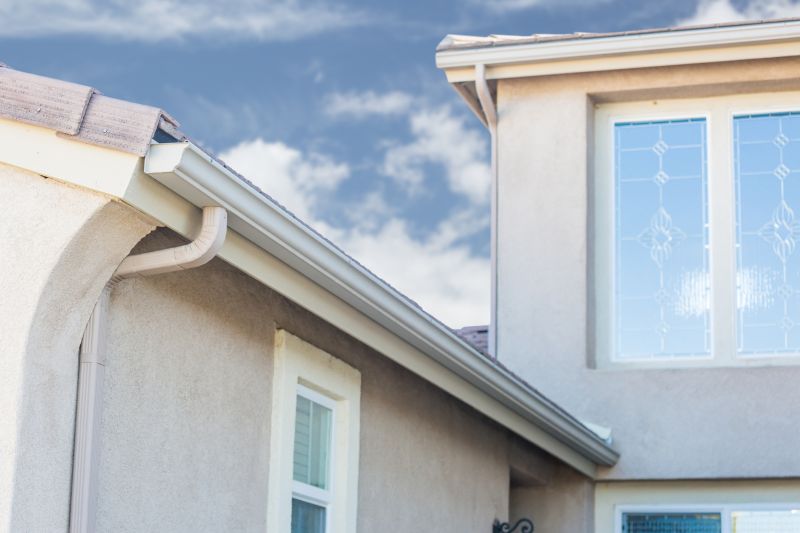
When homeowners search for when to install new gutters versus replace existing ones, they are typically trying to determine the most appropriate solution for maintaining or improving their home's drainage system. This question often arises during home improvement projects, especially when facing issues like water damage, leaks, or overflowing gutters. People want to understand whether a simple upgrade or repair will suffice or if a full replacement is necessary to ensure proper water management. The decision is closely tied to the condition of the current gutters, the age of the system, and the specific problems encountered, such as rust, sagging, or cracks that compromise functionality.
This topic relates to a variety of property conditions and homeowner plans. For example, older homes with original gutter systems often face questions about whether to repair or replace based on the extent of deterioration. Similarly, properties experiencing frequent clogs, leaks, or water damage may prompt homeowners to consider replacement options. Renovation projects, new additions, or landscaping efforts also influence the decision, as upgrading or installing new gutters can improve overall home protection. Homeowners with specific plans for long-term durability or aesthetic upgrades may lean toward full replacement to achieve a seamless look and reliable performance.
The types of properties most commonly involved in these decisions include single-family homes, especially those built several decades ago, as well as multi-family residences, commercial buildings, and historic properties. Each property type presents unique considerations: older homes might have outdated gutter systems that no longer function properly, while newer homes may have more modern, integrated gutter solutions. Commercial properties often require larger, more robust systems to handle greater water volume, making replacement or upgrade decisions particularly critical. For homeowners, understanding the specific needs of their property helps clarify whether installing new gutters or replacing existing ones is the most practical choice.
When evaluating whether to install new gutters or replace existing ones, local service providers play a key role in providing expert assessments. Experienced contractors can examine the current gutter system's condition, identify underlying issues, and recommend the most effective solution. For homes with minor problems like loose hangers or small leaks, a repair or partial upgrade might be sufficient. However, significant damage, extensive rust, or outdated designs often call for full replacement to ensure long-term performance. Homeowners benefit from consulting with local pros who understand the specific demands of their property type and can recommend the best course of action for maintaining effective water drainage and protecting the home’s foundation.
Gutter cleaning services - these projects involve inspecting and maintaining existing gutter systems, which is essential before deciding whether to install new gutters or replace old ones.
Roof repair and replacement - working on roofing projects requires understanding gutter integration, making these skills relevant when planning gutter installation or replacement.
Home siding installation - installing or repairing siding often involves working near gutters, requiring similar planning and tool use as gutter replacement projects.
Gutter guard installation - adding guards to existing gutters involves assessing gutter condition and planning upgrades, aligning with decisions about installing new gutters versus replacing old ones.
Downspout repair services - fixing or replacing downspouts complements gutter work and involves similar assessments of system integrity and planning for replacements.
Exterior home renovation - general exterior updates often include gutter work, requiring similar skills in planning, measurement, and material selection as gutter installation or replacement projects.
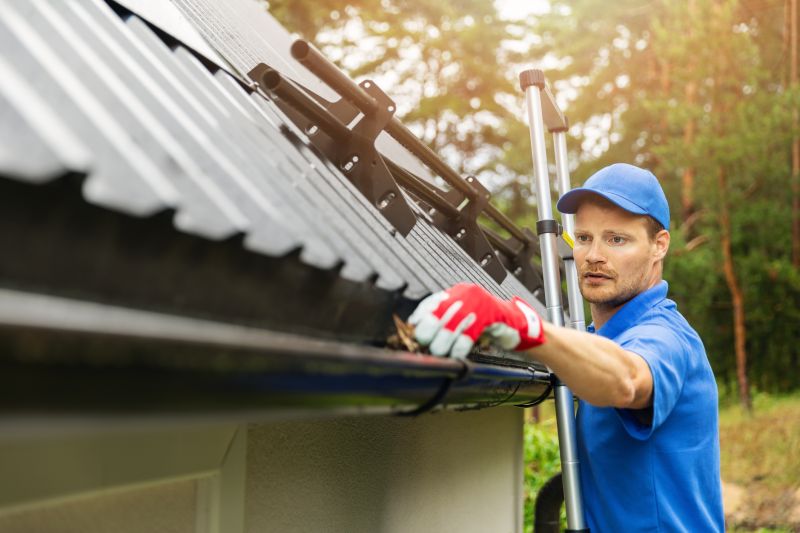
When evaluating local contractors for gutter projects, it’s important to consider their experience with similar installations and replacements. Homeowners should inquire about the types of projects the service providers have handled in the past, especially those involving comparable home styles or gutter systems. This ensures that the contractor understands the specific challenges and requirements of different gutter setups, whether it’s installing new gutters or replacing existing ones. Reputable service providers often have a portfolio of completed jobs or references that can demonstrate their familiarity with various gutter materials and installation techniques, helping homeowners make more informed choices.
Clear, written expectations are essential when comparing local contractors for gutter work. Homeowners should seek detailed proposals that outline the scope of work, materials to be used, and any warranties or guarantees offered. This transparency helps prevent misunderstandings and ensures that all parties are aligned on the project’s goals. A reputable contractor will be able to explain the reasoning behind their recommendations, such as when to install new gutters versus replacing existing ones, based on the condition of the current system and the homeowner’s needs. Well-documented expectations also serve as a reference point throughout the project, fostering better communication and accountability.
Good communication and reputable references are key factors in selecting a reliable service provider for gutter services. Homeowners should ask for references from previous clients who had similar work done, to gain insights into the contractor’s professionalism, quality of work, and reliability. Consistent and clear communication from the contractor-whether about timelines, project details, or potential issues-can make the process smoother and more predictable. When comparing local pros, it’s beneficial to choose those who are transparent, responsive, and willing to provide references, as these qualities often reflect their commitment to customer satisfaction and the ability to handle the nuances of deciding when to install new gutters versus replacing existing ones on a home.
Property owners often search for when to install new gutters vs. replace existing ones on your home when they are planning practical projects around their homes and businesses. Local pros provide New Gutters Installation services for everyday jobs and straightforward project options.
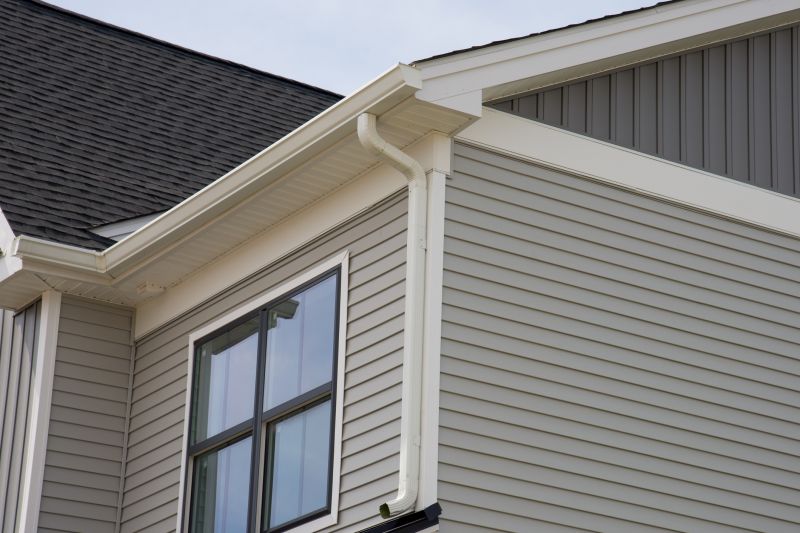
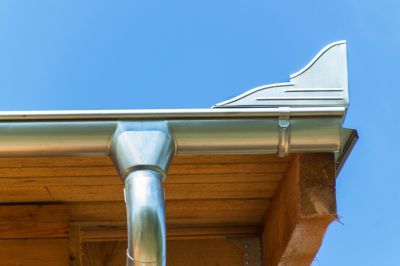
Homeowners often look into when to install new gutters versus replacing existing ones to ensure their property remains protected from water damage. If the current gutters are visibly damaged, sagging, or have numerous leaks, it may be time to consider a full replacement. Local contractors can assess the condition of existing gutters and determine if a new installation is the best option, especially when repairs would be frequent or insufficient to address ongoing issues. This decision is also influenced by the age of the gutters; older systems tend to deteriorate and may no longer function effectively, making replacement a more practical choice.
In everyday situations, property owners might opt for new gutters installation services when upgrading to a more durable or better-suited style, particularly if their current system no longer matches the home’s design or performance needs. Simple signs like overflowing during rain, frequent clogging, or visible rust can indicate that replacing existing gutters could improve overall performance. Local service providers can help evaluate whether a full replacement is necessary or if repairs might suffice, ensuring the home’s drainage system remains reliable and effective.
When should you consider installing new gutters instead of replacing existing ones? If your current gutters are severely damaged, sagging, or have extensive leaks that cannot be repaired, new gutter installation by local contractors may be the best option.
How can I tell if my existing gutters need to be replaced rather than repaired or upgraded? Signs such as persistent leaks, rust, cracks, or detachment from the home indicate that replacing gutters might be more effective than repairs or new installation.
Is it better to replace gutters if they are outdated or no longer functioning properly? Yes, replacing outdated or poorly functioning gutters can improve drainage and prevent water damage, especially when repairs are no longer sufficient.
When do local service providers recommend installing new gutters instead of reusing or repairing existing ones? When gutters are beyond repair, have reached the end of their lifespan, or are incompatible with recent home modifications, new gutter installation is advised.
What factors should be considered when deciding between installing new gutters and replacing existing ones? Factors include the condition and age of current gutters, extent of damage, and whether repairs can restore proper function, with local pros helping evaluate these aspects.
Assessing gutter condition - property owners can evaluate whether their existing gutters are sagging, cracked, or clogged to determine if installation of new gutters is necessary.
Considering gutter age and wear - homeowners should recognize when gutters have reached the end of their lifespan or show signs of significant deterioration that warrant replacement.
Matching gutter style with home updates - planning a home renovation or siding update can be an ideal time to install new gutters that complement the new exterior features.
Evaluating water drainage performance - if existing gutters are causing water pooling or foundation issues, consulting local contractors about installing new gutters can improve drainage efficiency.
If you are thinking about when to install new gutters vs. replace existing ones on your home for a property, this guide is meant to help you understand this topic, the typical project types, and how different options might fit your plans.
When you are ready, you can use the quote form on this page to share a few details about your project. From there, local pros can review the basics and follow up with options that match what you have in mind.